AISH: Research
Art is Still Honest has collaborated on a range of research projects in fields as diverse as law, music, digital art, and healthcare. With a focus on practice-based research, accessible frameworks, and co-design, AISH seeks to explore the fundamental relationship between art, community, and well-being.


Instrumenting(s)
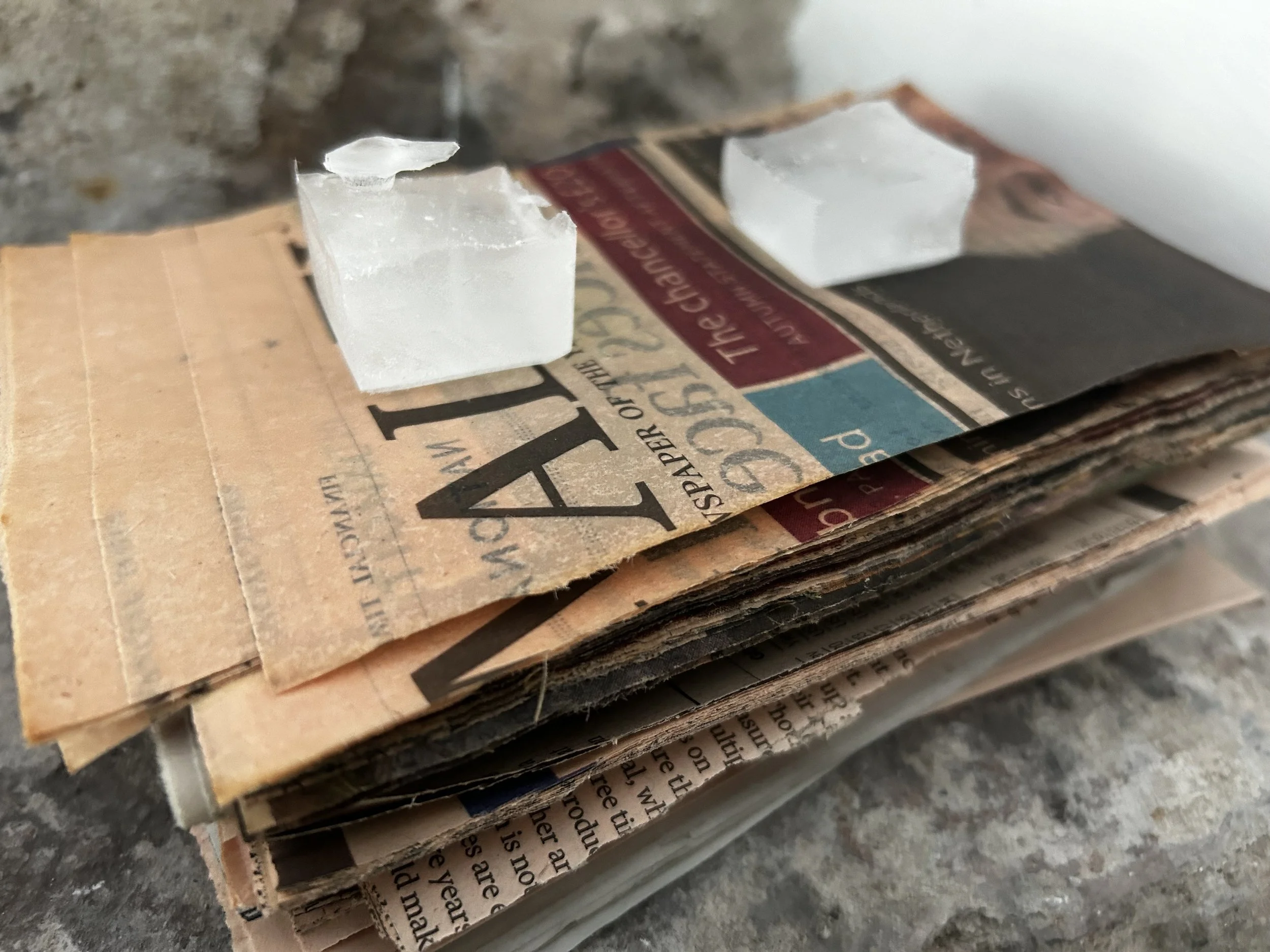
A collaborative, transdisciplinary research project with Dr. Lucy Finchett-Maddock (Art/Law Network) and Dr. Anders Hultqvist (University of Gothenburg), Instrumenting(s) explores the relationship between geology, sound, and law.
Incorporating community art projects in North Wales, alongside explorations of English rave culture, the project anticipates how communities read ‘signals’ generated from and within their landscape, and how such signals later shape legislation.
Our research has been published in the Journal of the Society of Advanced Legal Studies, presented at the London Critical Legal Conference, as well as resulted in exhibitions in London and Bangor.
Find out more at the Instrumenting(s) website.

p_ART_icipate!
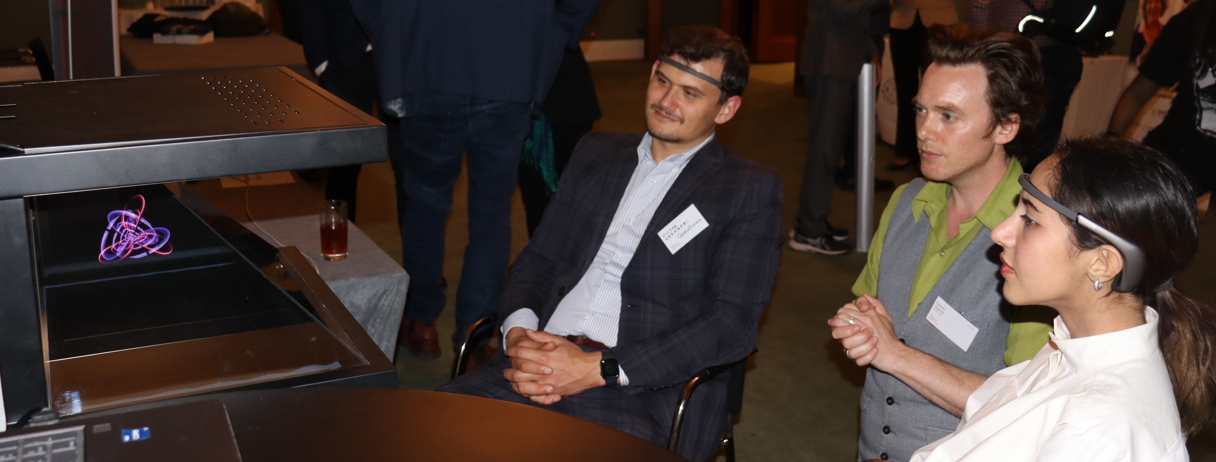
Led by Dr. Olive Gringrich (University of Greenwich), the AHRC-funded p_ART_icipate! explored the role of digital art in engendering social connectivity and well-being. Based around the construction of four digital artworks, the project invited a range of participants - including those with physical and cognitive differences, NHS health workers, and students - to explore online digital applications for fostering creativity and community.
The project resulted in the creation of a new set of guidelines for the production of digital participatory works, and our research was published by ACM Siggraph, EVA Berlin, and International Journal of Performance Arts and Digital Media, amongst others.
Find out more about the project at the p_ART_icipate! website.

Post-Capitalist Cultures
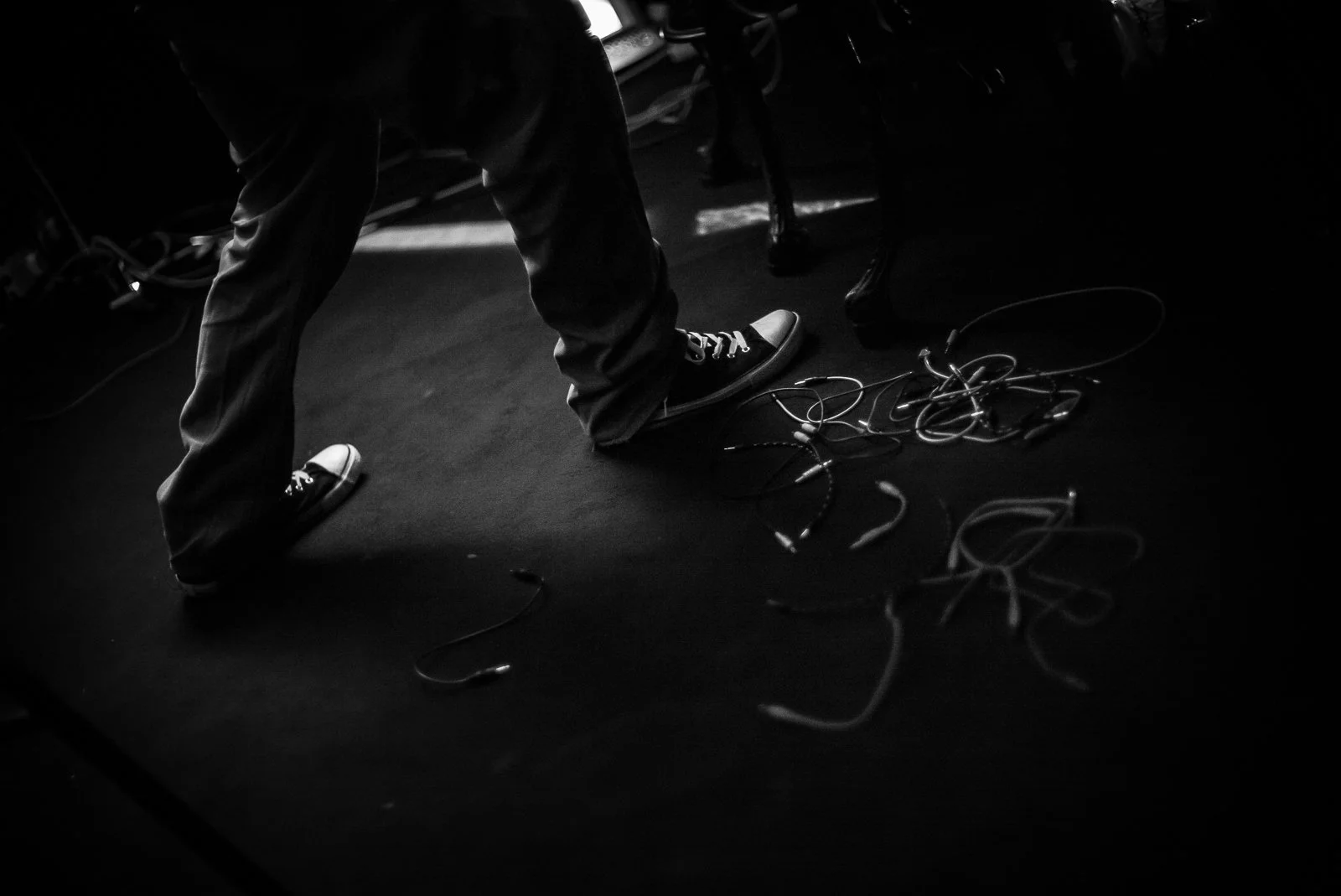
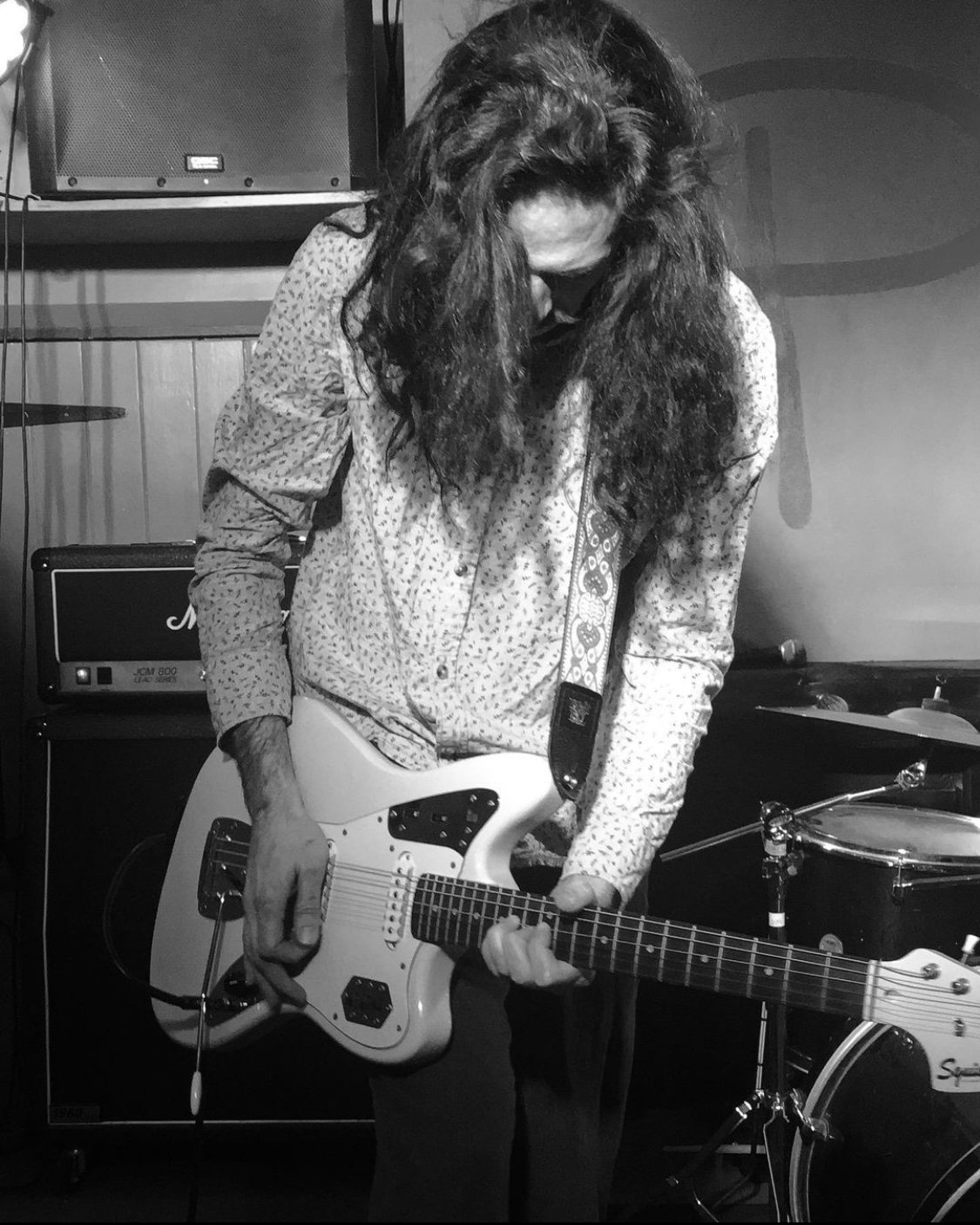
Post-Capitalist Culture’s explores the social effects of the capitalist economies on artists and musicians’ well-being. Funded by the Guildhall School of Music and Drama, and engaging heavily with the grass-roots art & music scene, this ongoing research engages with creative practitioners often marginalised by the major platforms (such as Spotify or Ticketmaster) who dominate the creative industries. Asking questions about what it means to be a ‘professional’ artist when even successful practitioners earn less than a third of their income from their art, and how being a ‘failed’ artist (by capitalism’s terms) affects well-being, the project reimagines what sustainable, socially aware, and ecologically minded art might look like.
This research has been presented at Guildhall School of Music and Drama and the Sonic Rebels symposium.
Sleep! A participatory boardgame exploring the homeless crisis
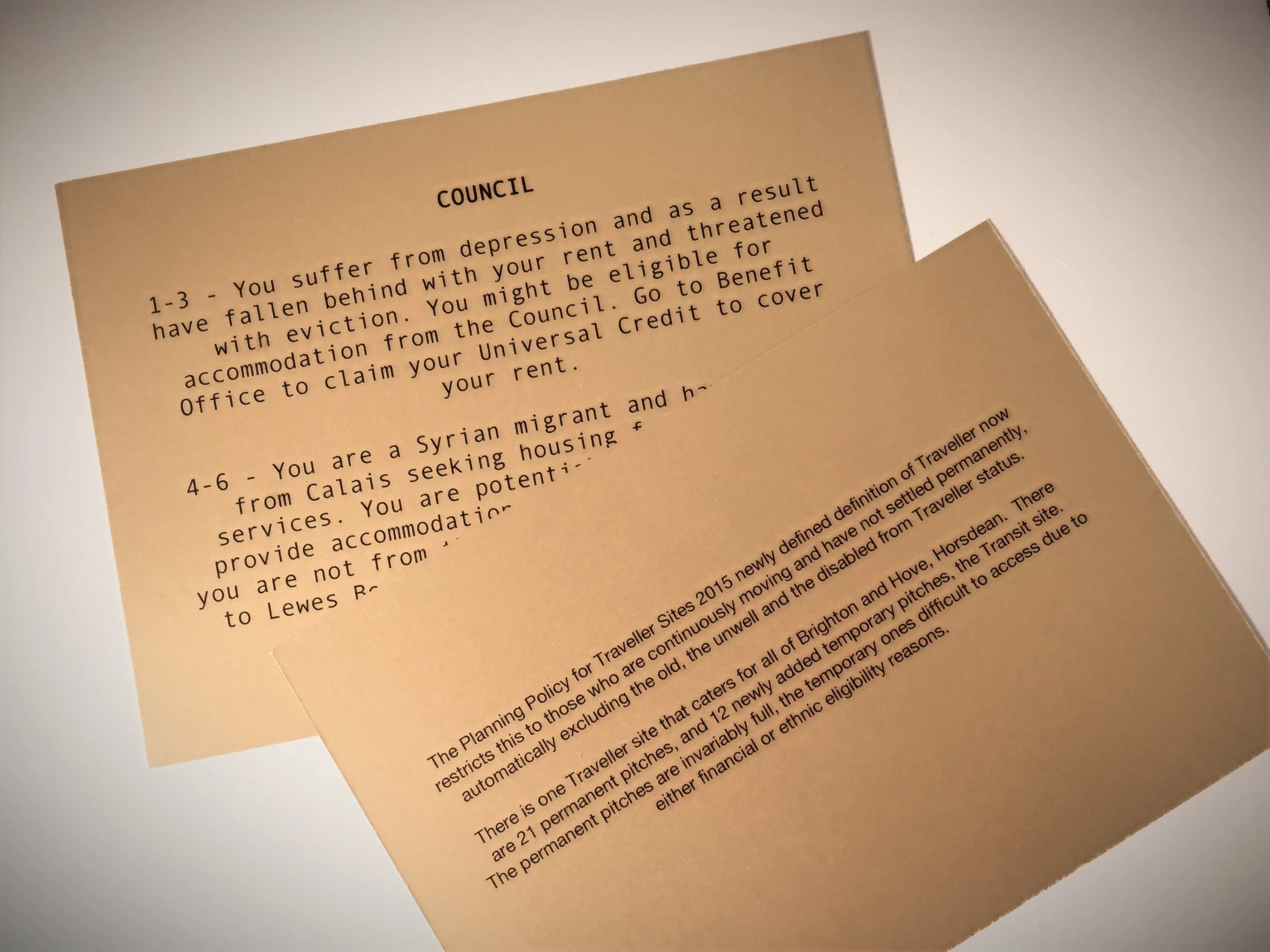
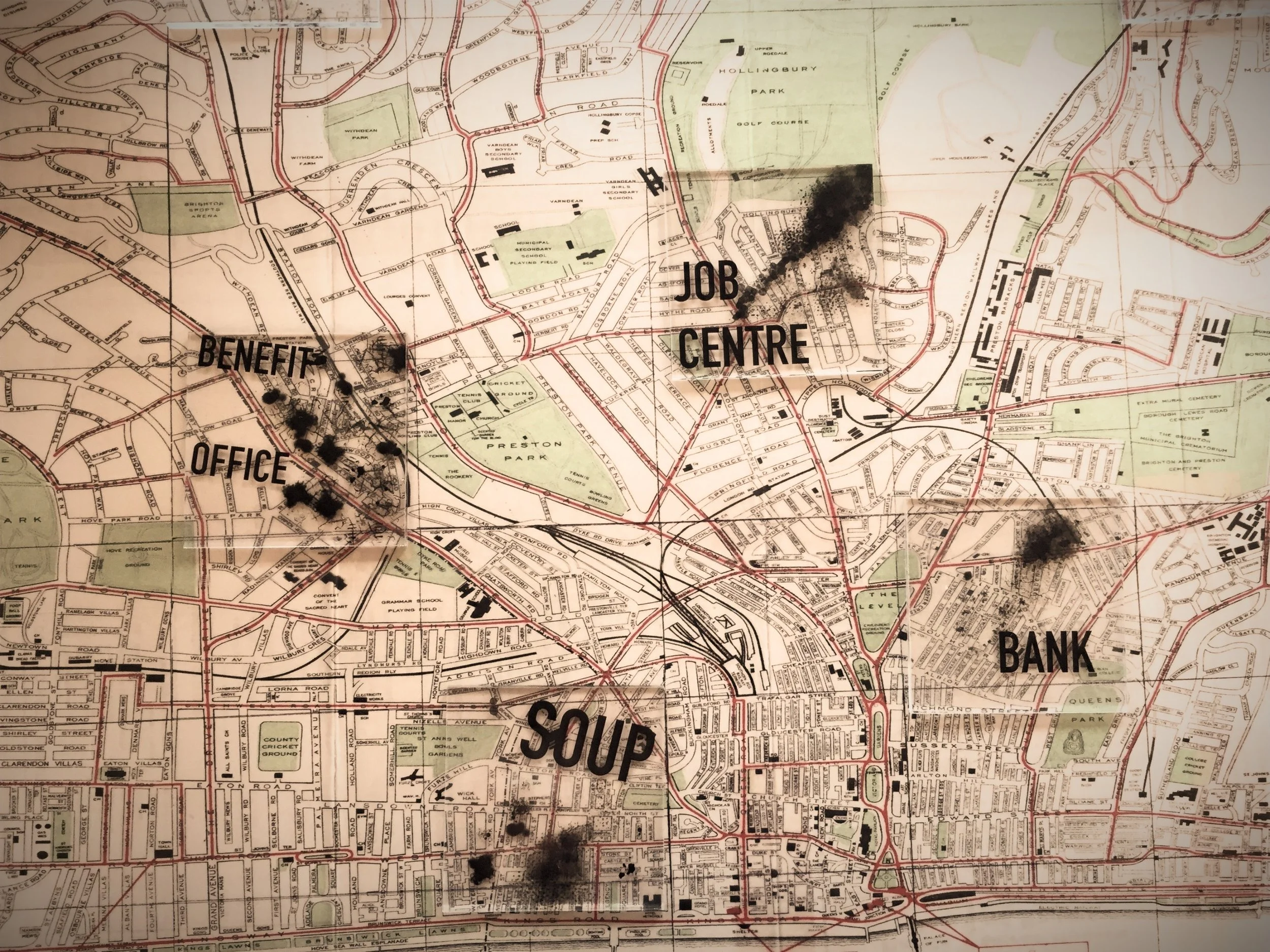
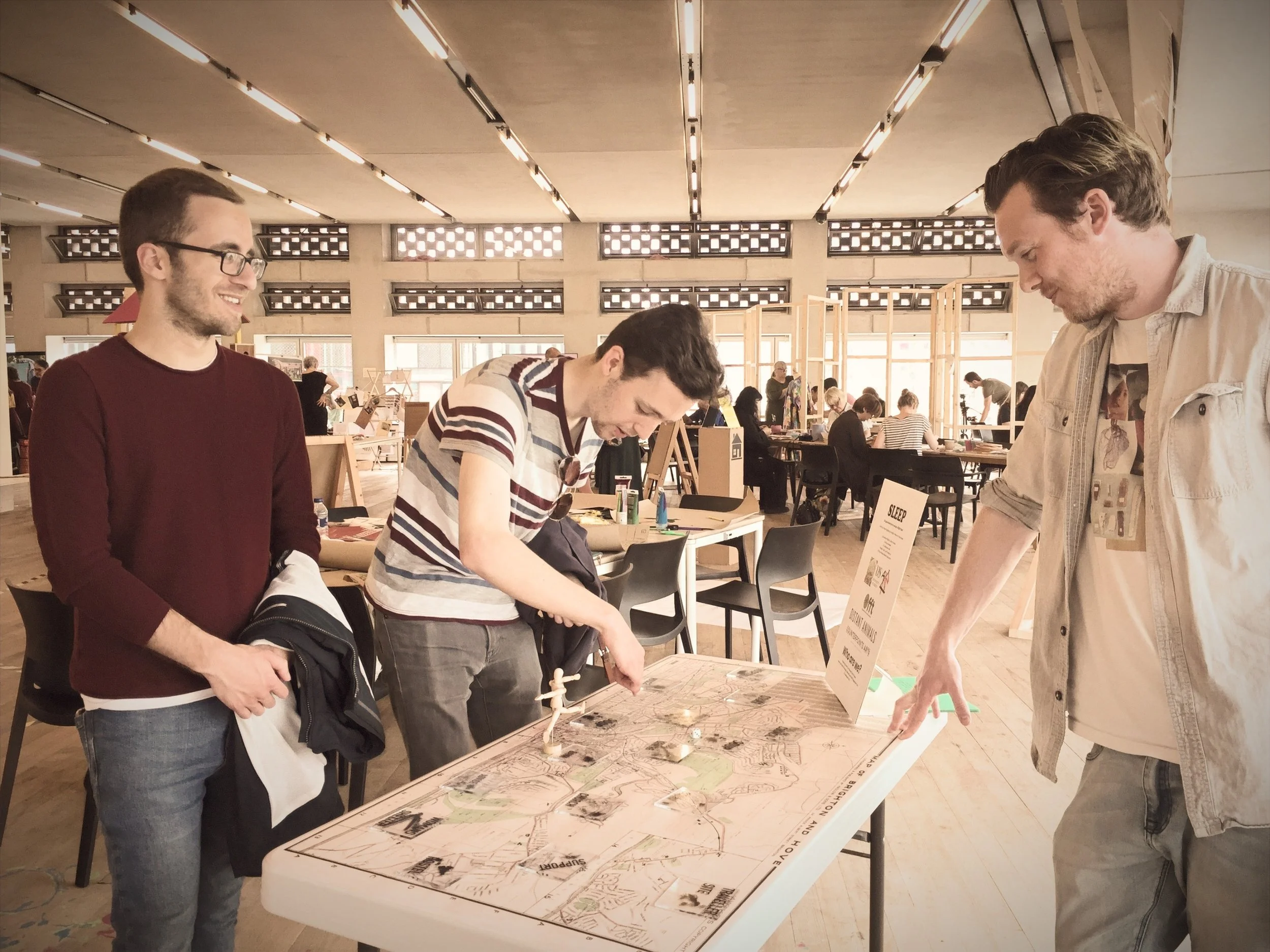
First shown at the Tate Exchange, SLEEP was devised by Art is Still Honest and University of Sussex Law students to explore many of the issues that face Brighton’s homeless community, in the hope of fostering discussion about the practical and legal challenges they face.
Incorporating legal case studies, discussions with representatives from the travelling community, and participatory art methodologies, the project sought to share the real-world experiences of those experiencing homelessness through an interactive and accessible game that drew upon the often counter-productive reality of current legislation.


Brexshitting: the portmanteau of tautological research
Funded by the Sussex Learning Network, Brexshitting worked with HE and FE students from an inner-city college to explore the language used by the media and politicians during the EU withdrawal negotiations.
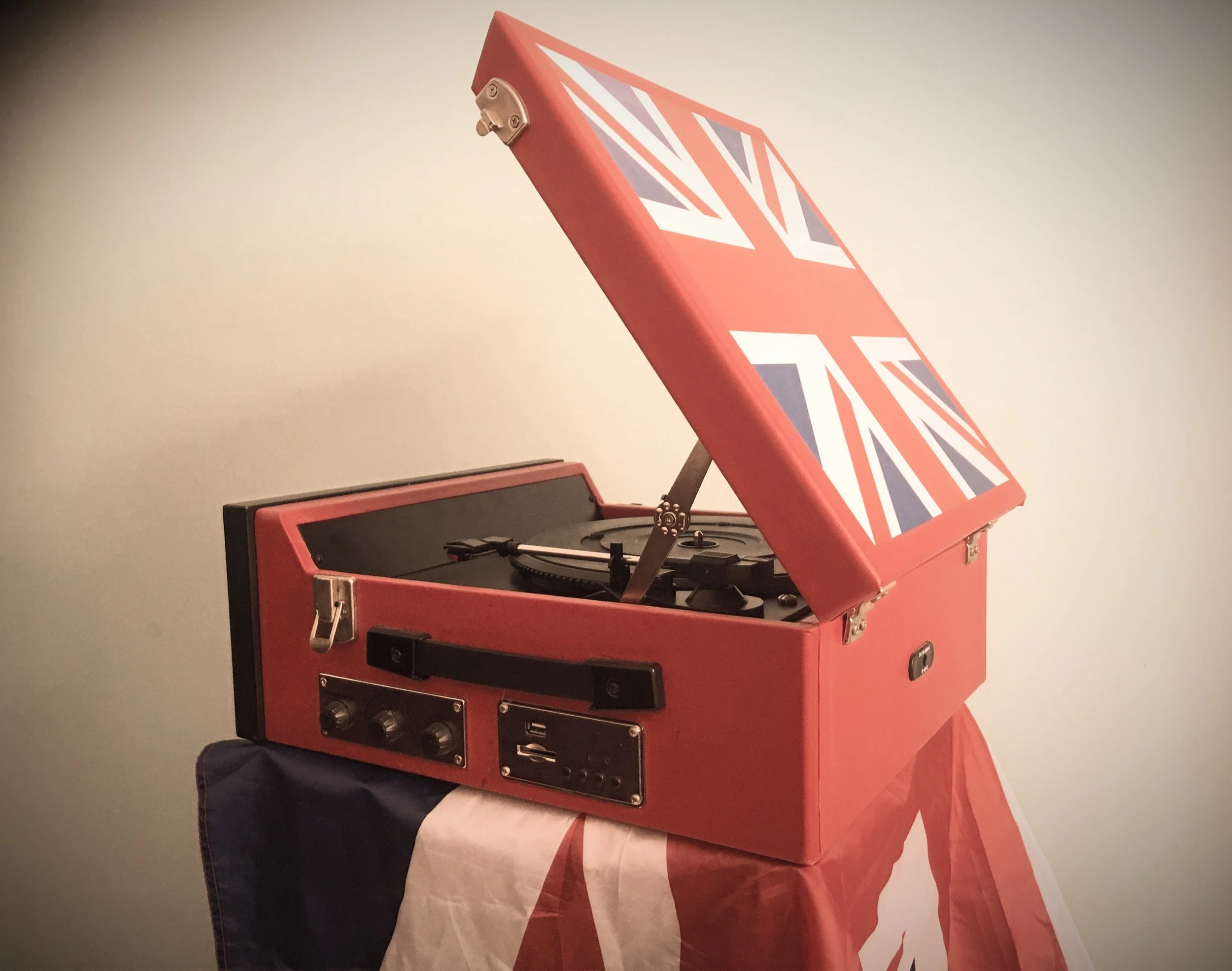
Merging Musique-Concrete, technological decay, and rigorous academic socio-political research, the project juxtaposed the degradation and latent noise of the political sphere with the caustic timbres and limited fidelity of the lathe-record press. Exploring what linguist Michael Halliday terms the ‘functional grammar’ of the Brexit debate – its tone, timbre, rhythm, and frequency - participants constructed new compositions based upon such linguistic research, which was later presented as a custom record player and lathe set, and exhibited at SOAS gallery.
I Don’t Know Where We’re Going But It Sure Sounds Nice
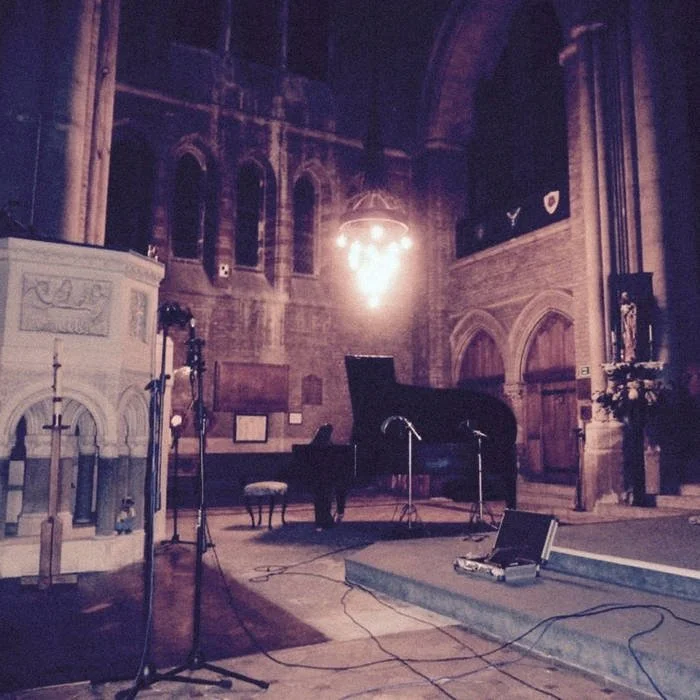

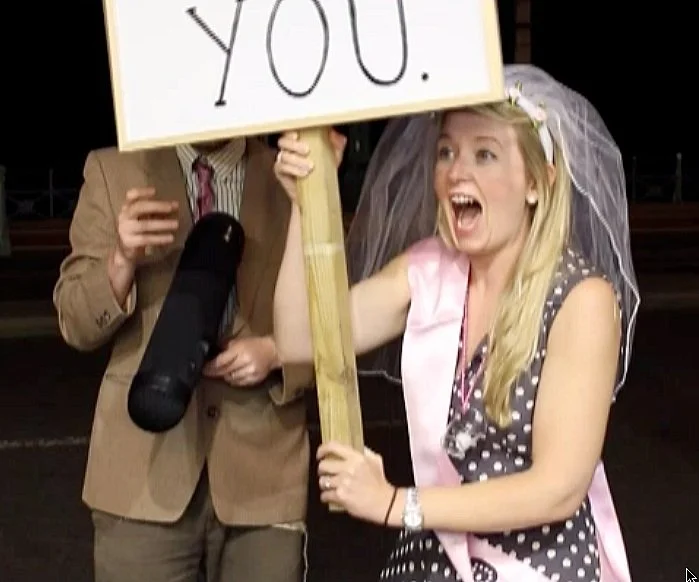
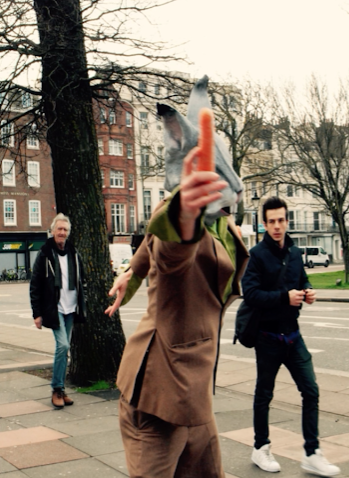

A radical rethinking of approaches by which to disseminate practice-based research, I Don’t Know Where… consisted of over 30 guerrilla participatory performances across Brighton city centre. Involving impromptu choirs of drunk revellers, children’s nursery readings outside corporate offices, all-night concerts in empty churches, street performances in bank lobbies, and interactive pop-up exhibitions, the project sought to take artistic engagement directly to the social spaces that we all share and inhabit.
More concerned with real-world engagement than abstract data metrics, the project located creativity in the day-to-day lives of ordinary passersby, encouraging them - through open-ended prompts, ethical propositions, and humour - to respond in ways far beyond the ideas and pre-conceptions of the artists vision.

Supporting grassroots artists
Having grown up in the grassroots music and art scene, AISH shares a passion for the often neglected work of upcoming practitioners working tirelessly to build community through their art. AISH has supported new and established bands like Be Kind Cadaver and Yumi and the Weather to shoot music videos, designed album art for indie labels like Cruel Nature and DAAM, produced albums for upcoming musicians, and curated exhibitions and shows for experimental visual and performance artists.
Working directly with venues, radio shows, blogs and labels, AISH strives to build meaningful and long-lasting community within the grassroots scene.


Project design and support
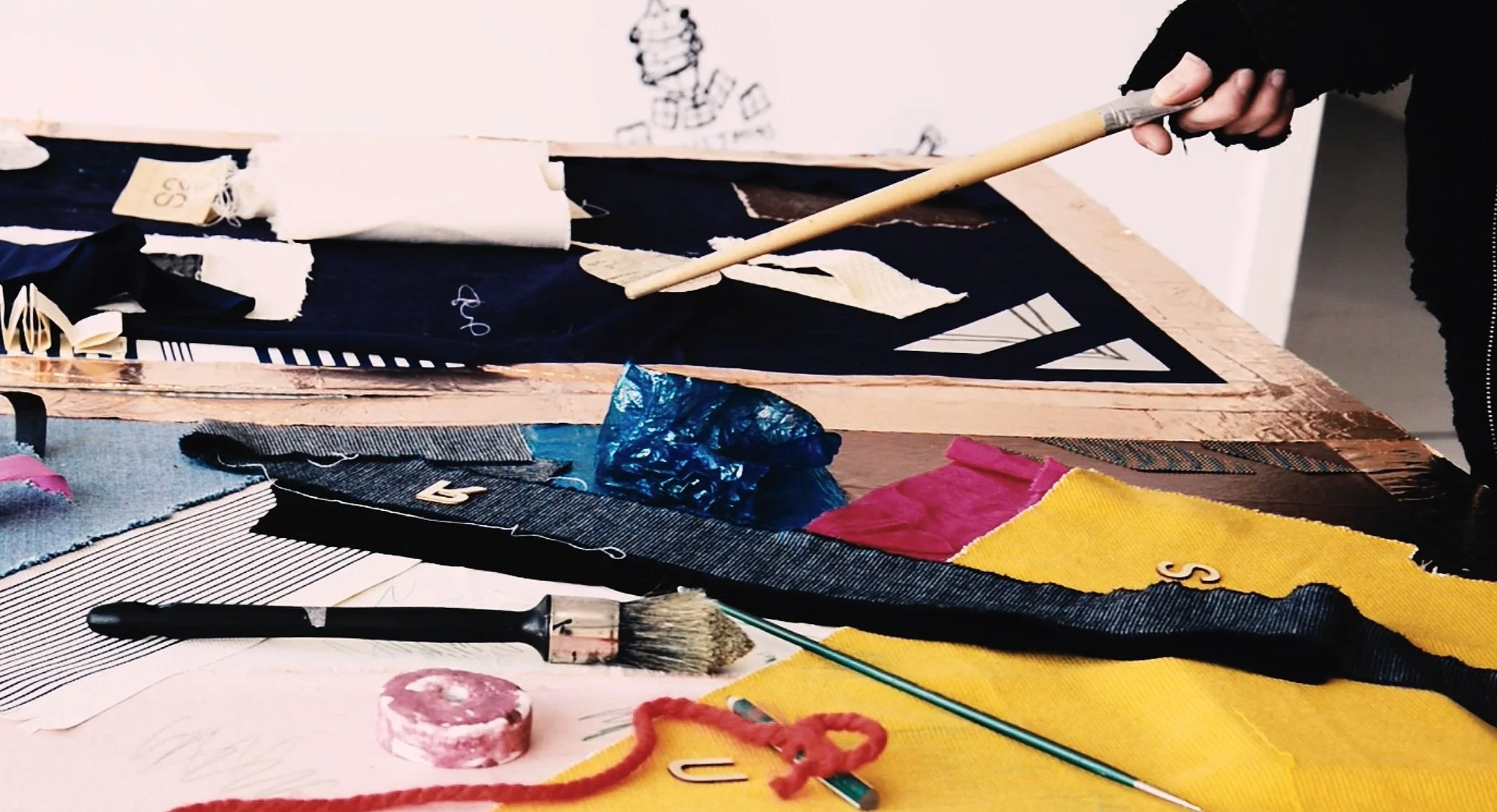
Art is Still Honest has worked with a range of partners to produce photographs, videos, installations and exhibitions that showcase the unique character of their work. Whether you need to document your existing practice or create new visual or sonic pieces to support your work, AISH can help.
Our support services cover audio, video, design and project management.
Prior projects include enlivening the archives of the Surrey History Centre by producing virtual tours of their texts, developing interactive sonic-sculptures for the inclusive Rocket Artists as part of their Work In Progress exhibition, producing accessible guidelines for digital art projects, and designing bespoke visuals and physical artefacts for artists to support their practice.
Curating experimental practice
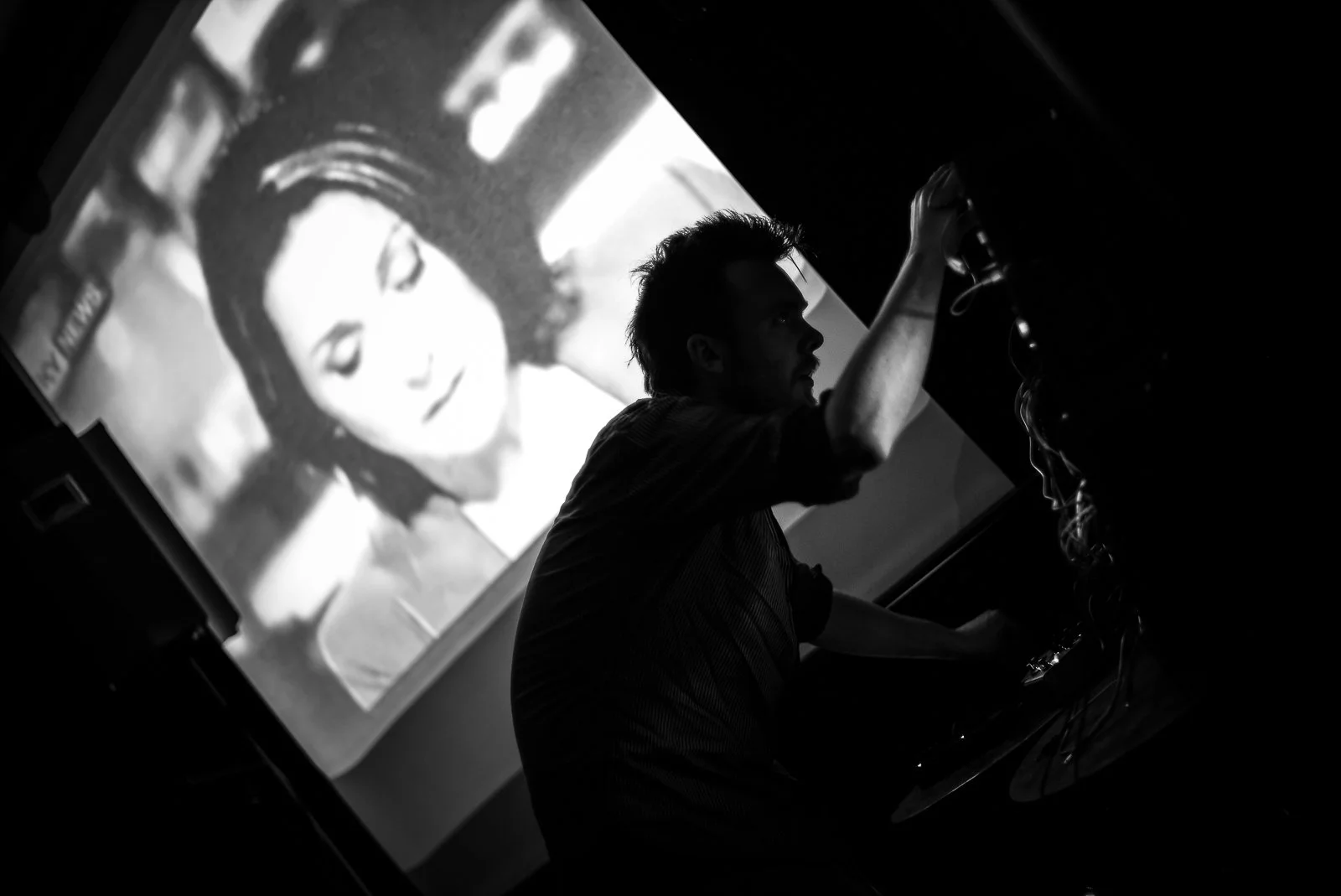
AISH believes that experimentalism is key to developing art as a form of social well-being. Trying new things out, having a go, taking risks, defying expectations… these are the sorts of creative gestures that enable communities to learn from one another and to develop new ways of being.
Whether it’s providing generative audio-visuals for established avant-garde choreographers, developing art-films for up-and-coming photographers, or co-designing participatory installations, AISH strives to locate experimental practice in the everyday, an accessible form of creativity that prioritises curiosity above the virtuosic.


Ecology, education, sustainability
A commitment to grassroots practice is by definition a commitment to sustainable practice. As such, AISH is particularly supportive of projects that engage with ecological and pedagogical narratives - projects that seek to make the world a better place for everyone.
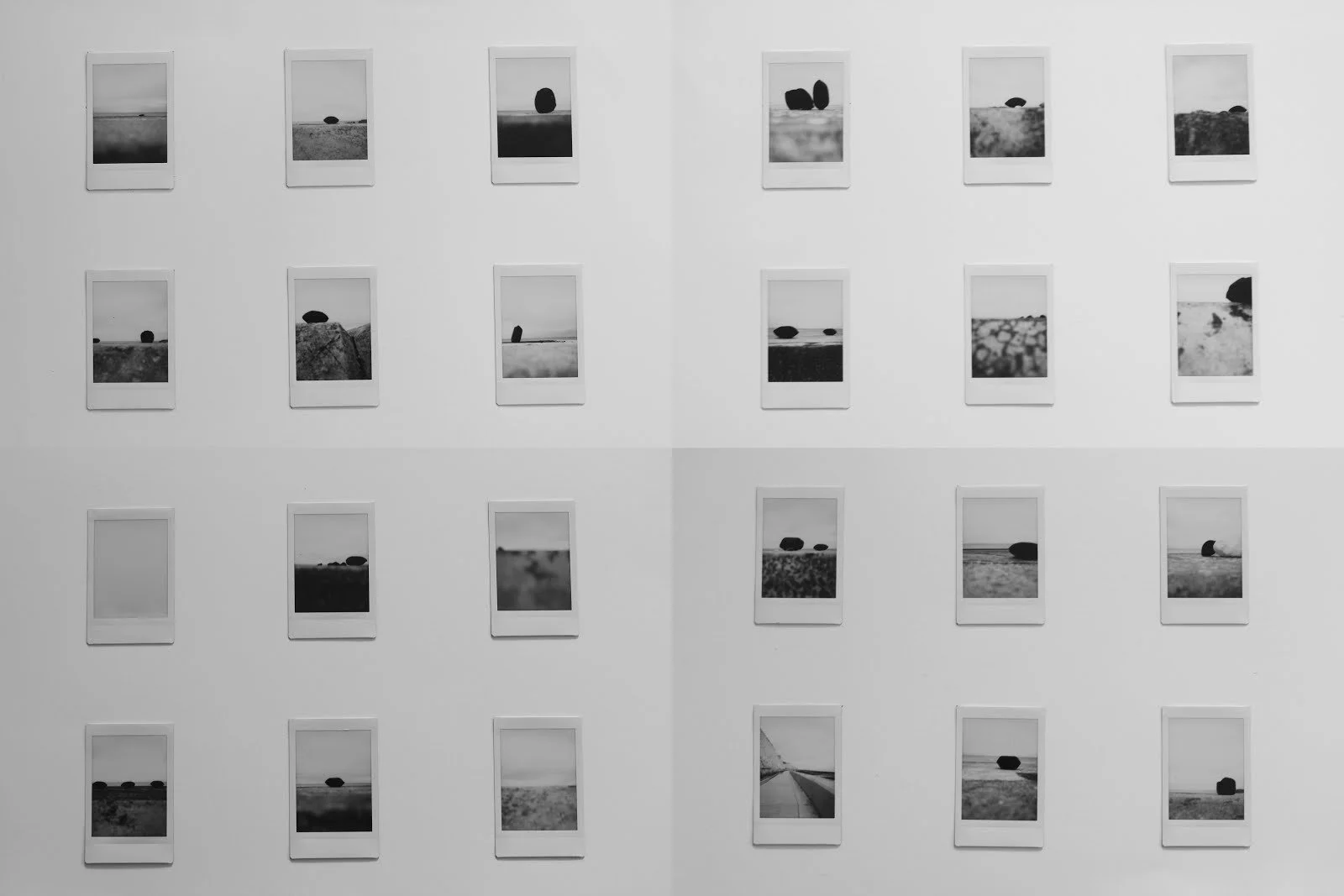
With this in mind, Art is Still Honest has worked with forest schools to deliver video modules, run field-recording workshops in the South Downs, and developed guerrilla sculpture trails along Brighton Seafront.
Contact us
Interested in finding out how our research experience might support your project? Get in touch!